
Skills
9 articles
 Skills
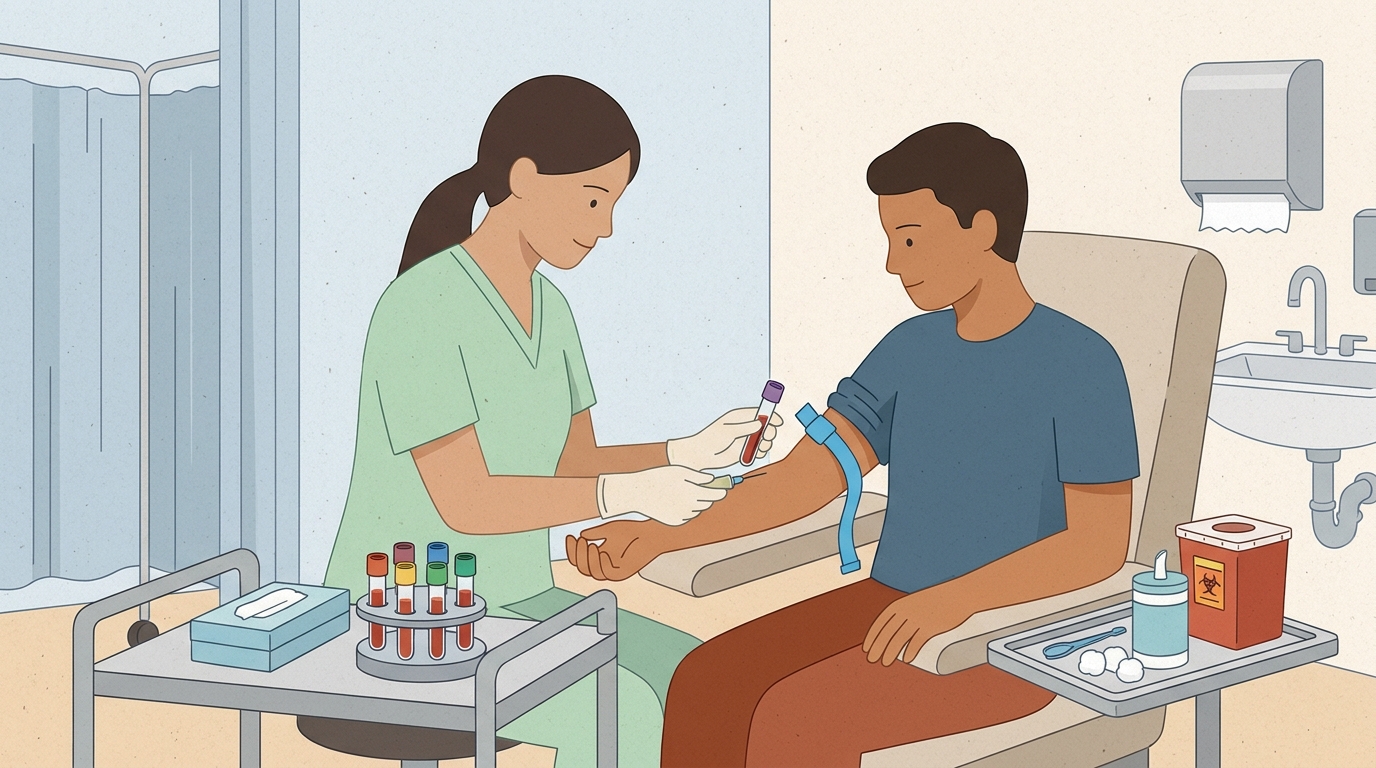
How to Get Certified as a Phlebotomist
Phlebotomy certification is awarded by professional certifying agencies, not by a single national regulator. The best-known route in the United States is the PBT(ASCP) credential from the American Society for Clinical Pathology (ASCP) Board of Certification, which you qualify for either through an accredited training programme, a structured 40-hour programme with documented venipunctures, or a year of paid clinical experience.
9 min read
 Skills
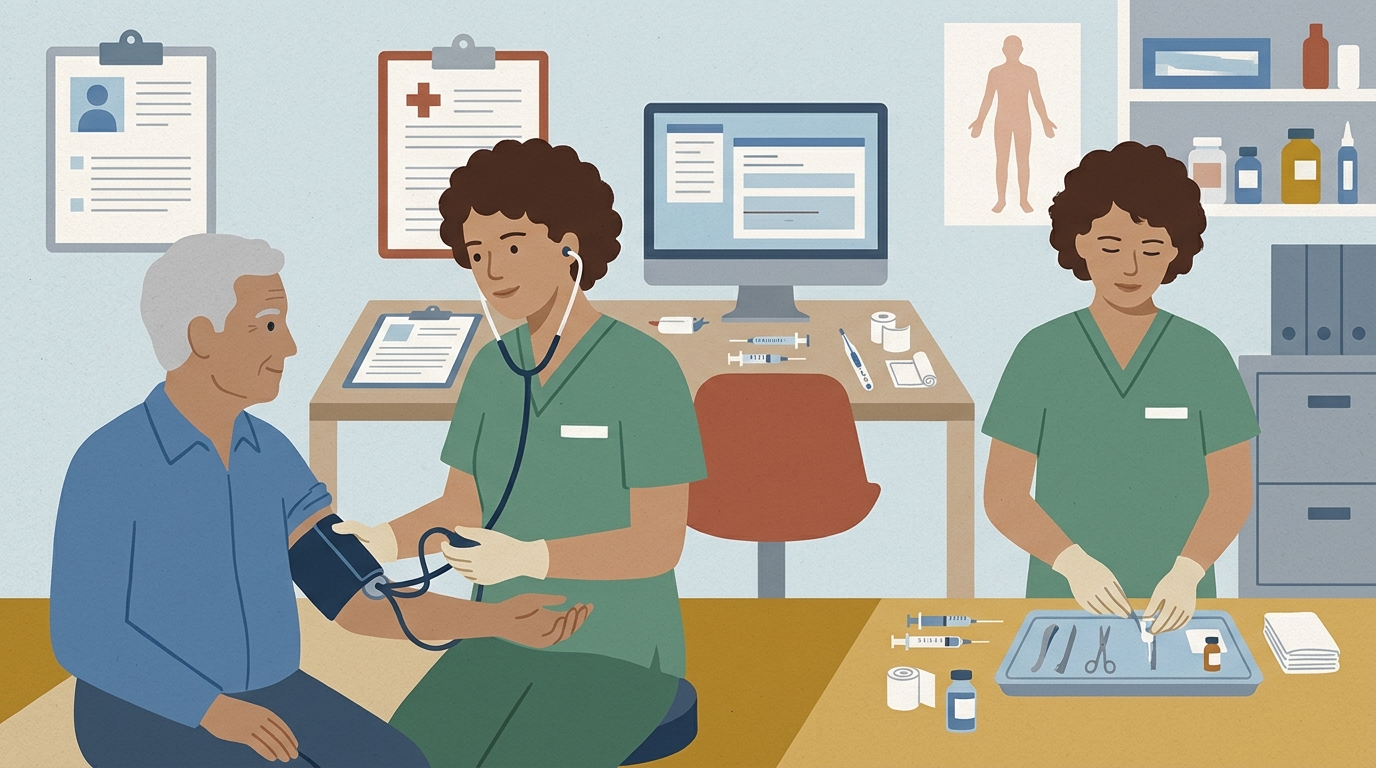
 You Need to Become a Medical Assistant
Medical assistants work both sides of a clinic: taking vital signs, preparing instruments and updating records, then scheduling, billing and answering patient questions at the desk. The skills are practical and teachable — clinical measurement, sterile technique, medical terminology, record-keeping and calm patient communication — and most people learn them in a short postsecondary programme rather than a degree.
8 min read
 Skills
What Skills Do You Need to Be a Forklift Operator?
Forklift operating mixes machine handling, load judgement and safety discipline. You need to control a counterbalanced truck in tight spaces, read a load chart and capacity plate, carry out pre-use inspections, and work safely around pedestrians and racking.
8 min read
 Skills
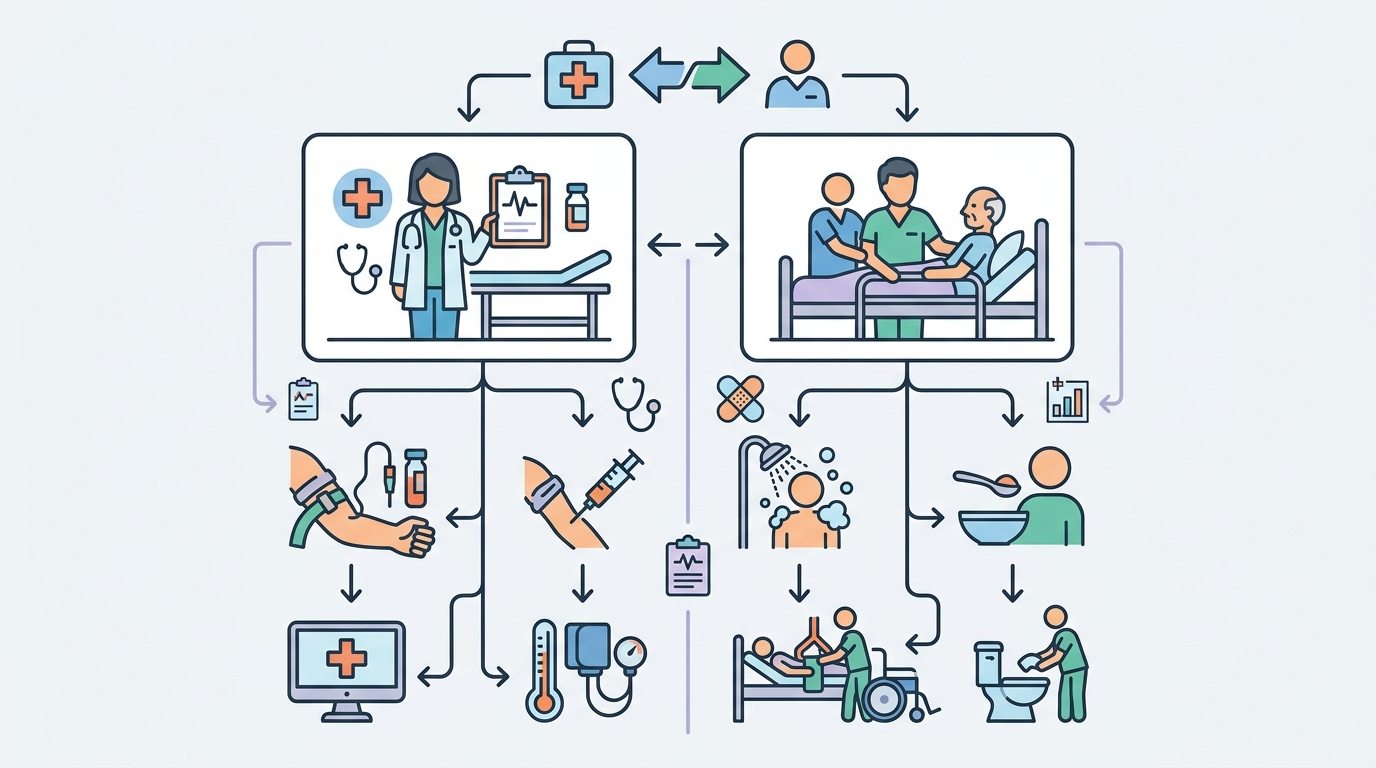
Medical Assistant vs CNA: Skills and Qualifications Compared
Medical assistants and certified nursing assistants both work directly with patients, but they train under different rules and answer to different bodies. CNA training in the United States has a federal floor of 75 clock hours, at least 16 of them supervised practical training (Learnsignal, undated, citing 42 CFR §483.152), while the CMA (AAMA) credential is open only to people who completed a CAAHEP- or ABHES-accredited medical assisting program or who fit one of the association's other named eligibility categories (MedPreps, 2026-09-02).
8 min read
 Skills
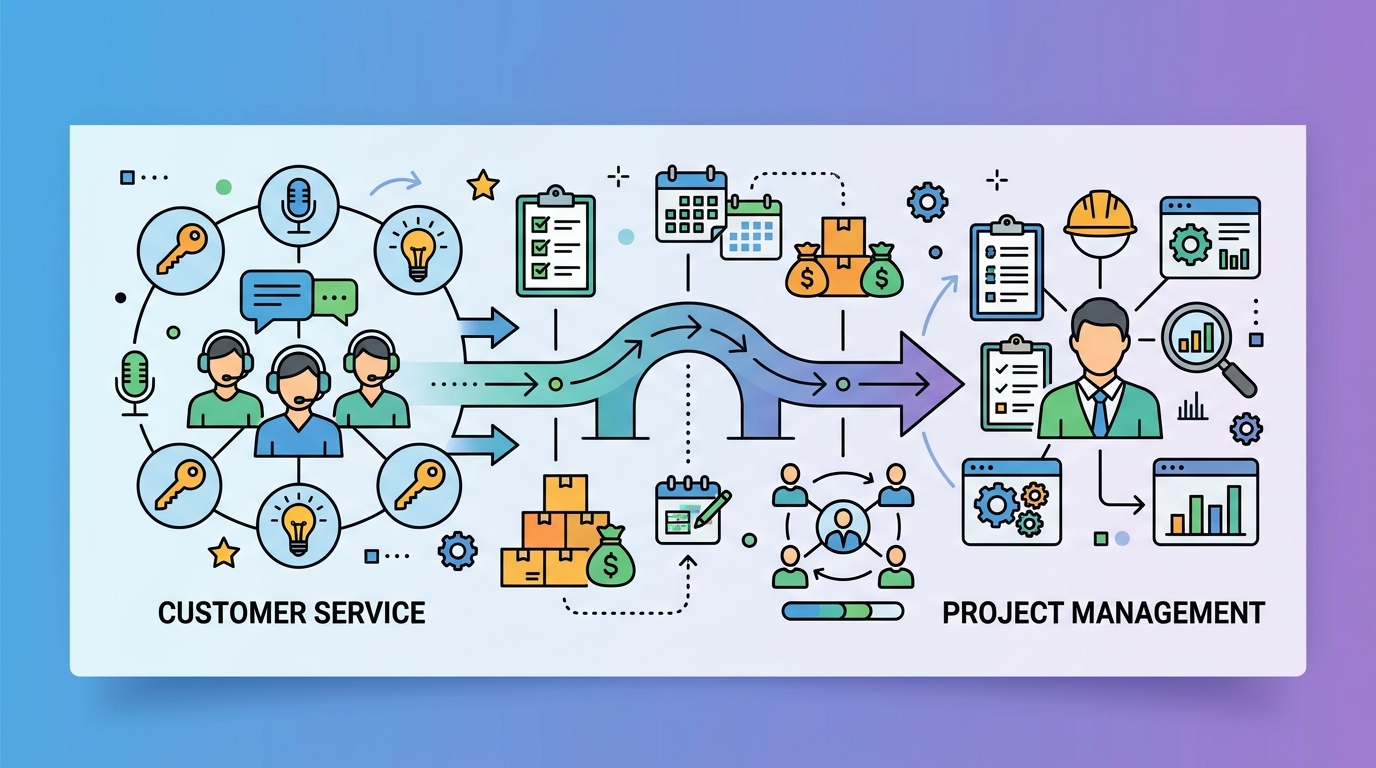
Moving from Customer Service to Project Management: Skills Gap Guide
Customer service builds skills project management runs on: ONET OnLine (U.S. Department of Labor) lists active listening, service orientation and time management for customer service representatives, and lists 'Customer and Personal Service' knowledge as relevant to Project Management Specialists. What it rarely builds is documented ownership of a schedule, a budget and a procurement plan.
7 min read
 Skills
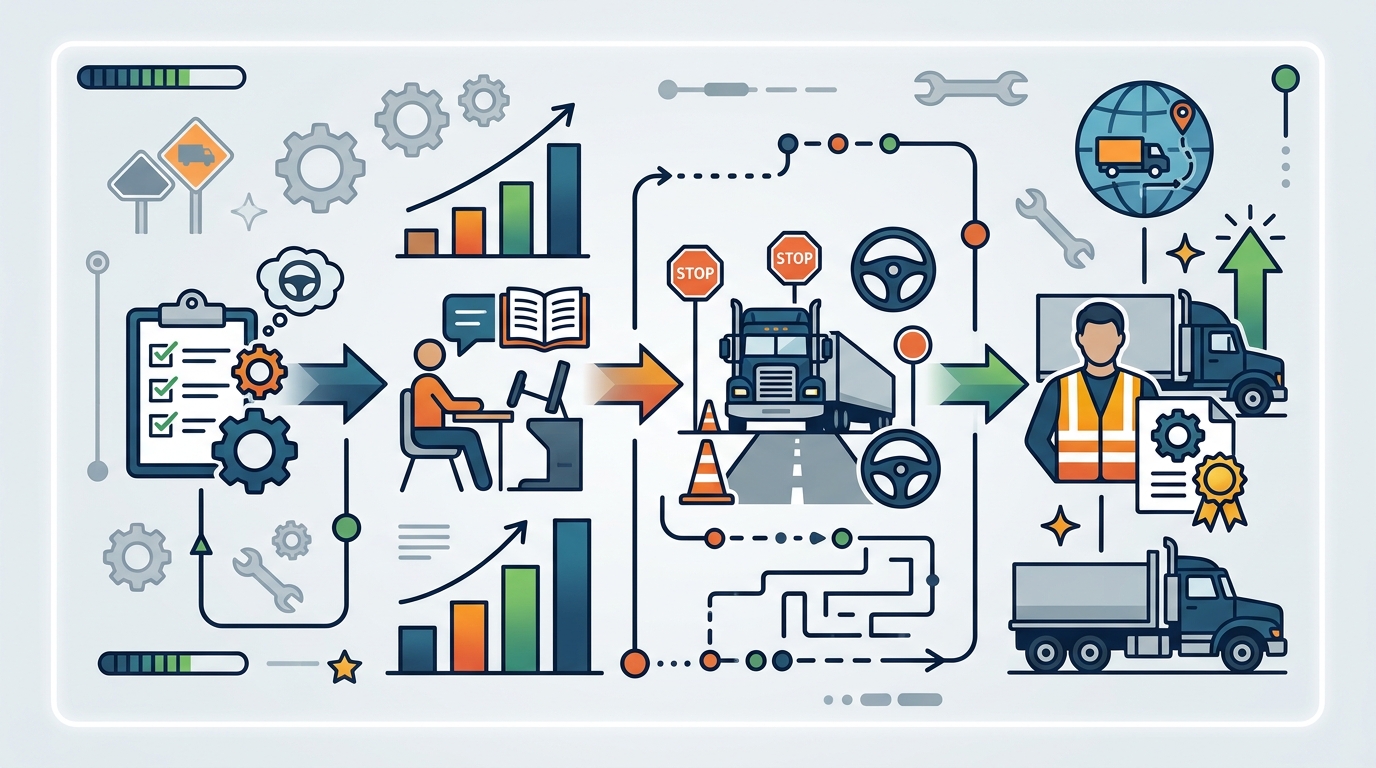
CDL Requirements and How to Get One
The Commercial Driver's License (CDL) is a United States credential. The Federal Motor Carrier Safety Administration (FMCSA) sets the national minimum rules but does not issue CDLs — state governments are responsible for issuing them (Federal Motor Carrier Safety Administration (FMCSA), 2025-12-08), so fees, forms and scheduling differ from one state to the next.
9 min read
 Skills
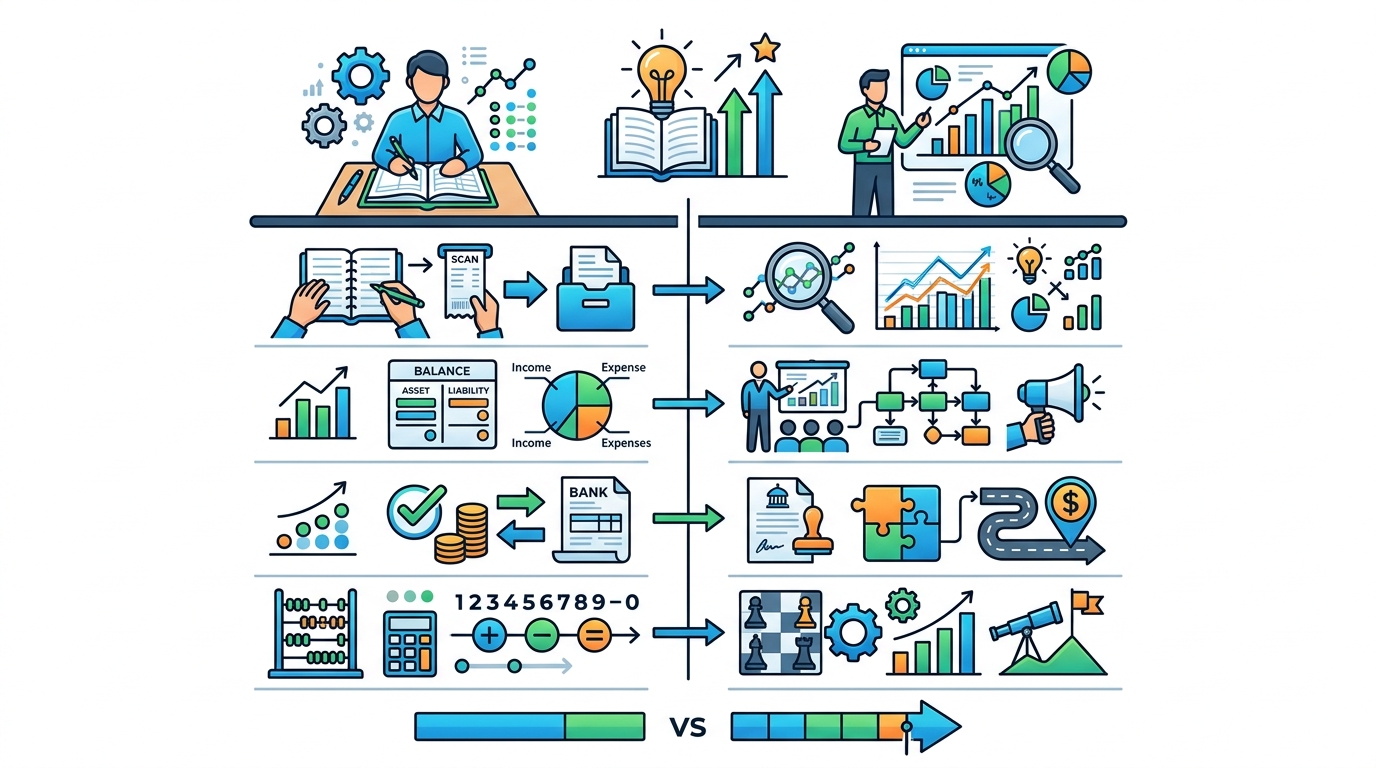
Bookkeeper vs Accountant: Skills and Qualifications Compared
Bookkeepers record, code and check transactions; accountants interpret those records, prepare the reports built on them and carry regulatory responsibility for what those reports say. ONET OnLine (U.S. Department of Labor, Employment and Training Administration), 2025, places bookkeeping, accounting and auditing clerks in Job Zone Three — vocational training, on-the-job experience or an associate's degree — and accountants and auditors in Job Zone Four, where most roles call for a four-year bachelor's degree.
8 min read
 Skills
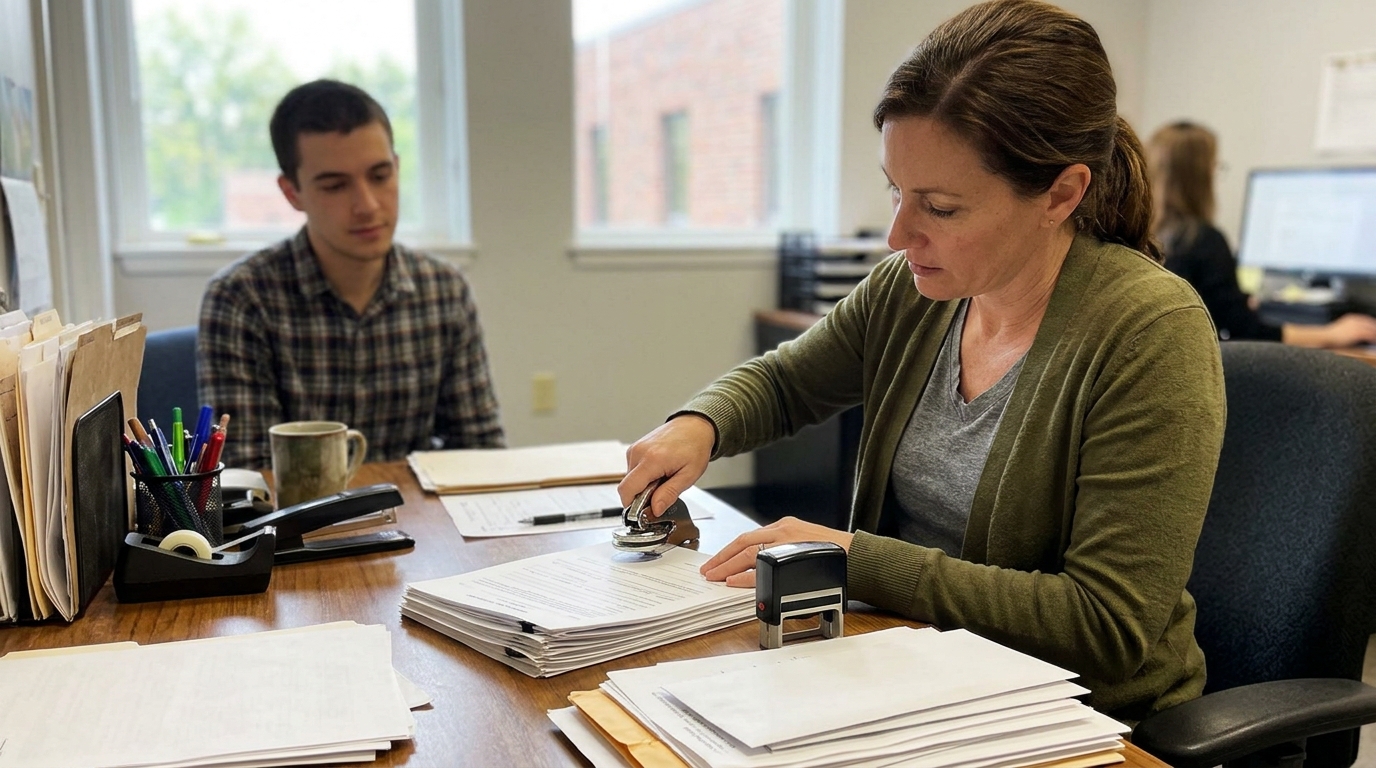
Step-by-Step Guide to Becoming a Licensed Notary Public
There is no single notary qualification. In California, you apply to the California Secretary of State, take an approved six-hour education course, pass a proctored exam administered by CPS HR Consulting and clear a background check based on Live Scan fingerprints. In England and Wales, notaries are a separate legal profession: qualification is governed by the Notaries (Qualification) Rules 2017 and overseen by the Faculty Office of the Archbishop of Canterbury, with a two-year Notarial Practice Course.
9 min read
 Skills
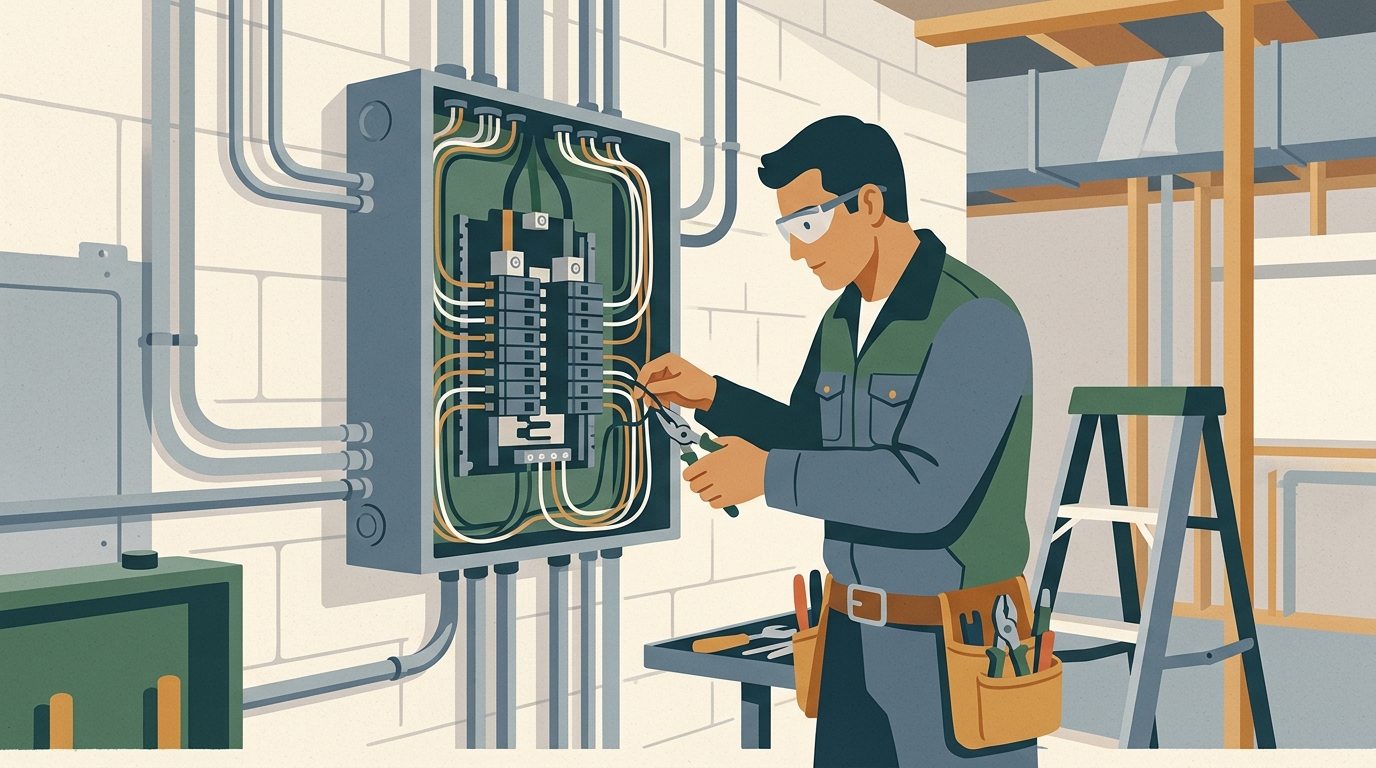
Electrician Skills and Qualifications Guide
Electricians install, maintain and repair electrical power, communications, lighting and control systems in homes, businesses and factories (U.S. Bureau of Labor Statistics, 2026-08-27). The usual route in is a paid apprenticeship: most electricians learn the trade in a four- or five-year program combining on-the-job training with technical instruction (U.S. Bureau of Labor Statistics, 2026-08-27).
9 min read